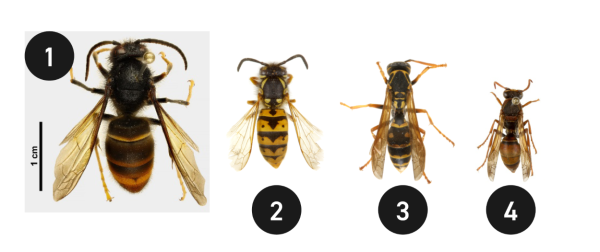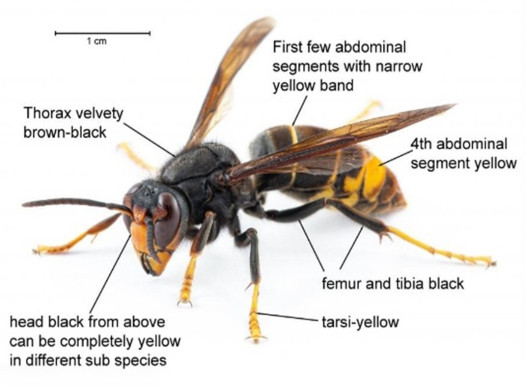

Situation update
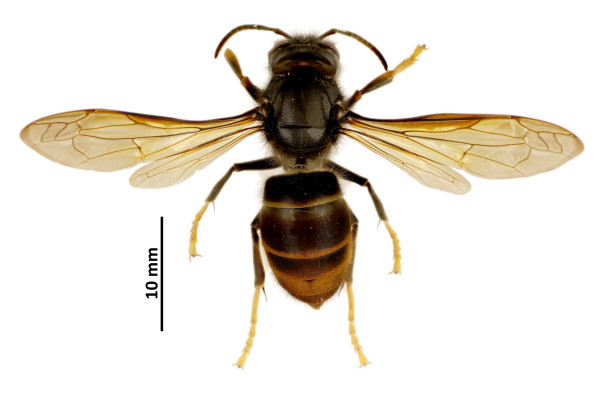
The operation to eradicate yellow-legged hornets is entering a new phase as the weather warms up.
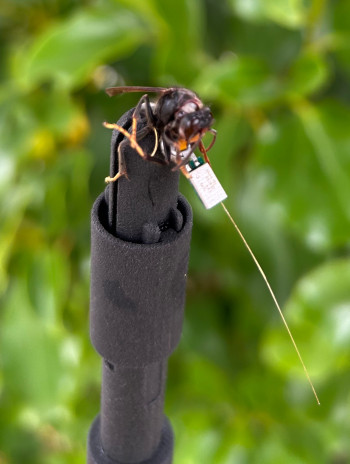
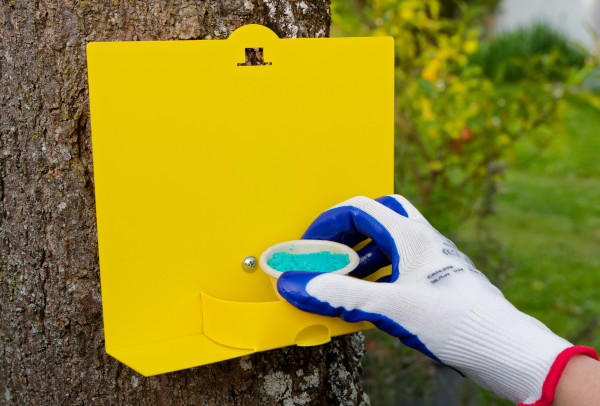
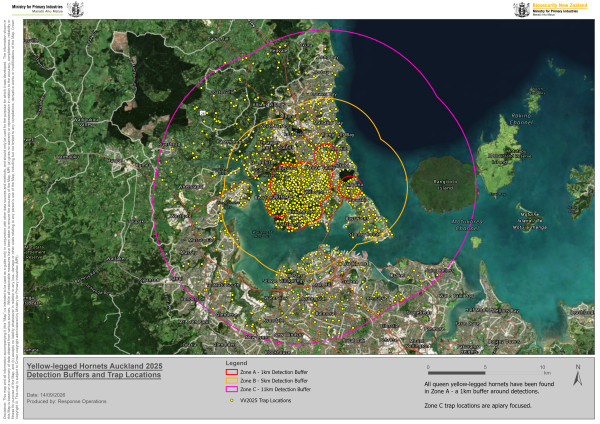
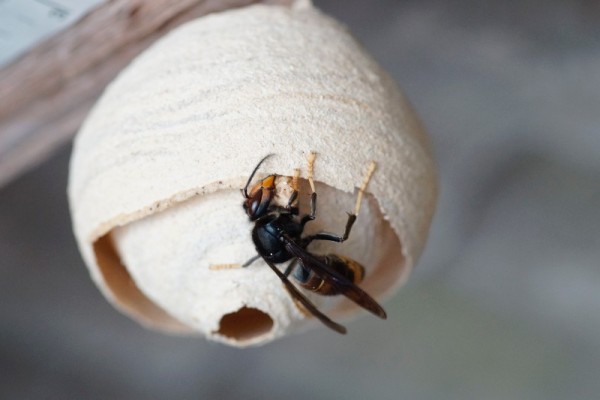
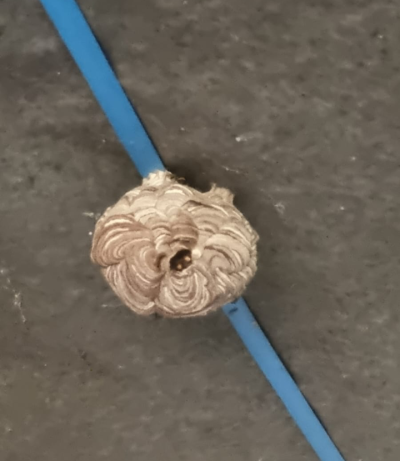
Over winter we checked traps and monitored beehives in the affected suburbs. This surveillance activity is now increasing to find and kill any queen hornets that may have survived our earlier destruction activities. If present, they will have been hibernating over winter but will emerge to start building new nests and colonies over spring.
The large-scale eradication response has been underway since November last year, guided by local and international scientific advice and supported by cutting-edge global technology.
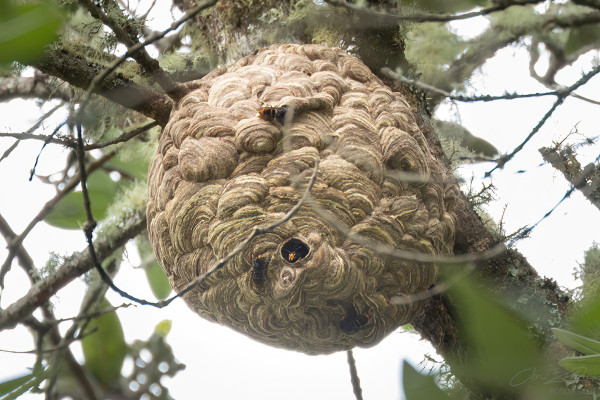
To date, 77 queen hornets and 133 nests have been located and destroyed, with no sign of hornets since April 2026.
Members of the public have made a huge contribution to the success so far, with more than 18,200 notifications of suspected sightings.
Ongoing public reports are vital.
Report suspected sightings of hornets or their nests
If you see a hornet or hornet nest, report it:
- by calling our exotic pest and disease hotline on 0800 809 966
- by emailing us at info@mpi.govt.nz
- online at report.mpi.govt.nz – if you use this method, select the ‘suspected yellow-legged hornet’ option from the dropdown list.
Ensure you give your location when making reports and take a photo if possible.
We'll update this page when there are new developments.