

Update – January 2026
Construction has begun of our new Plant Health and Environment Laboratory. It's being built at the Mt Albert Research Centre in Auckland.
The facility is part of a work programme to modernise biosecurity diagnostics to keep pace with global challenges.
- Crown Infrastructure Delivery (CID) is managing delivery of the new lab on behalf of MPI.
- Southbase Construction is building the facility.
- Construction is scheduled to take 3 years, with the lab operational in early 2029.
Government media release and video
New Plant Health and Environment Laboratory (19 December 2025) – Beehive
What the new laboratory will look like

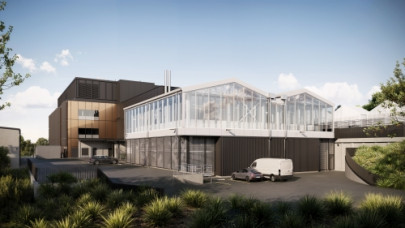
Modernising our biosecurity diagnostics and capabilities
We have 2 major projects underway as part of our modernisation work programme.
- A new Plant Health and Environment Laboratory (PHEL), providing diagnostic testing for pests and diseases that could impact plant and environment health.
- The additional L3B Post‑Entry Quarantine (PEQ) facility will serve as a critical component in the effective management of imported food and fibre plant material, ensuring the exclusion of regulated organisms from entering New Zealand, and supporting the growth across the horticulture sector and the wider primary industries.
The programme will also deliver a major uplift in capability, including:
- new diagnostic equipment
- modern ICT (computer) systems
- an upskilled workforce to support greater productivity and performance in demanding incursion investigation and response scenarios
- increasing use of molecular and genomics techniques.
We expect the programme to generate substantial benefits through both economic growth and by avoiding the costs involved in dealing with pest and disease incursions.
Why we need new facilities
New facilities will strengthen New Zealand’s ability to identify and manage serious pests and diseases that could affect our primary industries and unique environment. This is critical to increasing New Zealand’s export potential and protecting the country from future biosecurity threats that could impact New Zealand’s unique biodiversity and ecosystems. Those threats include fruit flies and stink bugs, serious diseases such as Xylella, and environmental pests such as invasive ants, weeds, and plant pathogens.
A new PHEL and PEQ will help us:
- ensure New Zealand continues to be a safe and secure country to trade with
- protect our primary industries from biosecurity risks
- protect our environment from suspected exotic (overseas) organisms.
Demand is growing for lab services
Our existing Plant Health and Environment Laboratory (PHEL) is located in St Johns, Auckland. Over the past 10 years, demand for services provided by the lab has grown, and we expect demand to increase further due to:
- increasing threat of biosecurity incursions due to climate changes and an increasingly complex trade environment
- new trade agreements raising expectations of our trade partners for country freedom assurance testing for pests and diseases of significance to trade
- innovation and growth in our plant-based industries, driving demand for importation of new plant cultivars which require PEQ testing.
Our existing facility is nearing the end of its functional life and is not suitable for supporting the future biosecurity system and economic development expectations.
The new lab will help support plant breeders
Plant-based industries (horticulture, forestry, and arable farming) contribute significantly to New Zealand’s economy. PHEL's services are vital to safeguard these industries and increase our export potential.
The new lab will provide essential high-level biocontainment (Physical Containment Level 3) to allow for the safe and secure handling of high-risk pests and diseases, with greater surge capacity to deal with large incursion events.
New facilities will also help enhance the way we work with MPI’s Animal Health Laboratory (located in Wallaceville, Upper Hutt). This will strengthen diagnostic services, particularly during large-scale response situations, such as foot and mouth disease or avian influenza.
The new lab and PEQ will support plant-based industries by:
- increasing our ability to screen and test for pests and diseases that could threaten industry
- providing industry with greater ability to import new cultivars to support their exports
- assuring global trading partners of our current pest- and disease-free status, and our ability to maintain this in the future
- improving crop productivity and resilience – such as cultivars with greater pest, disease and climate tolerance
- identifying new crops that may create future industries.
Where is the facility being built?
The new lab facility is being constructed at the Mount Albert Research Centre, in Auckland, next to MPI’s new post-entry quarantine facility, which opened in March 2025.
The campus is home to 2 of the government’s newly formed public research organisations – the Bioeconomy Science Institute and the New Zealand Institute for Public Health and Forensic Science. This will provide greater opportunities for MPI to work together with the institutes to enhance biosecurity outcomes.
Who to contact
If you have questions about this project, email PH&EC@mpi.govt.nz